
Aerospace/Aviation
ATI develops and produces assembly and maintenance equipment, test stands, work stands, and service lifts. Our clients include original equipment manufacturers (OEM), prime defense contractors, and the federal government, for whom we provide both equipment and maintenance of components present on existing aircraft. We make unique pieces of equipment, as well as custom and modified equipment.
Specific Aerospace/Aviation projects have included:
Aerospace & Aviation Material Handling Solutions
The aerospace and aviation industry demands precision, safety, and efficiency at every stage of manufacturing, assembly, maintenance, repair, and overhaul operations. From handling aircraft engines and fuselage sections to supporting maintenance activities in hangars and MRO facilities, aerospace organizations require specialized material handling equipment capable of lifting, transporting, positioning, and rotating high-value components with exceptional control and reliability.
Since 1964, Air Technical Industries (ATI) has been a U.S.-based manufacturer of engineered material handling equipment, serving aerospace manufacturers, aviation maintenance providers, defense contractors, military facilities, and aircraft service organizations. ATI designs and manufactures aerospace lifting equipment, aviation cranes, aircraft engine handling systems, lift tables, manipulators, portable cranes, and custom-engineered solutions that improve productivity, enhance safety, and streamline complex operations.
Aerospace Material Handling Challenges
Aircraft manufacturing and maintenance operations present unique challenges that standard lifting equipment may not adequately address.
Common aerospace handling challenges include:
- Handling large and irregularly shaped components
- Positioning high-value aircraft parts with precision
- Protecting sensitive aerospace systems from damage
- Improving operator safety and ergonomics
- Maximizing floor space utilization
- Reducing production and maintenance downtime
- Supporting strict quality and safety requirements
To overcome these challenges, aerospace manufacturers and aviation maintenance facilities increasingly rely on specialized aerospace lifting equipment and engineered handling systems.
What Equipment Is Used in Aerospace Manufacturing?
Modern aerospace facilities use a variety of lifting and material handling systems to support production, assembly, and maintenance workflows.
Common aerospace material handling equipment includes:
- Aerospace Cranes
- Aircraft Engine Cranes
- Mobile Floor Cranes
- Gantry Cranes
- Portable Jib Cranes
- Tele-Mast Straddle Cranes
- Lift Tables
- Upender Inverters
- Manipulators
- Custom Engineered Lifting Systems
These solutions help improve productivity while reducing manual handling risks and workplace injuries.
Aerospace Cranes for Aircraft Manufacturing
Aerospace cranes play a critical role in aircraft manufacturing facilities by enabling operators to safely move and position large aircraft structures and assemblies throughout the production process.
Typical aerospace crane applications include:
- Aircraft structure assembly
- Fuselage positioning
- Wing installation
- Component transportation
- Tooling changes
- Manufacturing line support
- Equipment maintenance activities
- Aerospace production support
ATI aerospace cranes are designed to provide precise load control and reliable performance while helping manufacturers optimize production workflows and improve workplace safety.
Aircraft Engine Crane Solutions
Aircraft engines are among the most valuable and mission-critical components within the aerospace industry. Engine installation, removal, transportation, inspection, and overhaul operations require specialized aircraft engine lifting systems that provide exceptional precision and control.
Benefits of an Aircraft Engine Crane
- Controlled lifting and lowering
- Precise load positioning
- Improved maintenance efficiency
- Enhanced operator safety
- Reduced risk of component damage
- Increased productivity
- Better ergonomic performance
Aircraft engine maintenance facilities often utilize mobile floor cranes, self-propelled cranes, and custom-engineered handling systems to support engine overhaul operations.
Aircraft Maintenance Crane Applications
Routine aircraft maintenance is essential for ensuring aviation safety, regulatory compliance, and operational reliability.
Aircraft maintenance cranes are commonly used for:
- Engine removal and replacement
- Landing gear maintenance
- Structural repairs
- Aircraft inspections
- Component installation
- Tool and fixture handling
- Ground support equipment maintenance
- Hangar service operations
These systems help maintenance personnel complete tasks more efficiently while minimizing physical strain and reducing workplace injury risks.
ATI’s portable lifting systems and mobile floor cranes offer the flexibility required in dynamic aircraft maintenance environments where maneuverability and precision are critical.
Aviation Crane Solutions for Hangars and Service Centers
Aviation cranes support a wide range of applications in both commercial and military aviation facilities.
Aircraft Assembly Operations
Support aircraft manufacturing and final assembly activities by safely positioning large aircraft structures and components.
Hangar Maintenance
Facilitate inspections, repairs, upgrades, and scheduled maintenance activities.
Engine Service Centers
Provide precise lifting capabilities for aircraft engine handling and overhaul operations.
Aerospace Manufacturing Facilities
Support machining, fabrication, assembly, testing, and production workflows.
Defense and Military Aviation
Handle aircraft systems, engines, tooling, and support equipment used in military aircraft maintenance programs.
ATI has successfully supported aerospace, aviation, government, and defense organizations with engineered lifting systems designed to meet demanding operational requirements.
ATI Products for Aerospace & Aviation Applications
ATI offers more than 2,500 standard product models along with fully customized aerospace lifting solutions.
Super-Master Mobile Hydraulic Floor Crane
Ideal for aircraft engine handling, aircraft maintenance, and component positioning applications.
Reversible Boom Crane
Perfect for reaching over obstacles and accessing difficult-to-reach aircraft components.
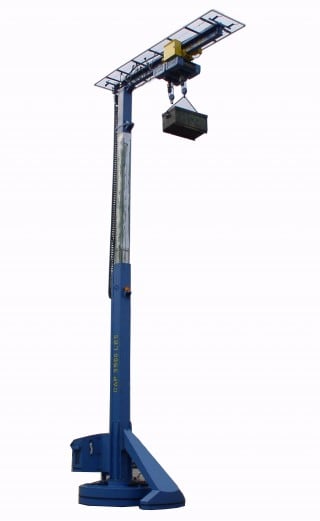
Tele-Mast Straddle Crane
Designed for transporting oversized aerospace assemblies, tooling, and production fixtures.
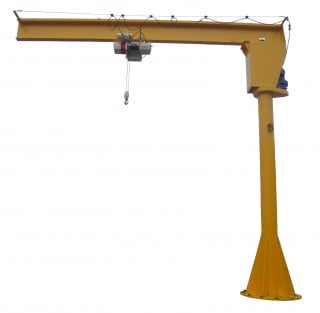
Portable Jib Cranes
Excellent for workstation lifting and aircraft assembly operations.
Gantry Cranes
Provide heavy-duty lifting capabilities for aerospace manufacturing facilities.
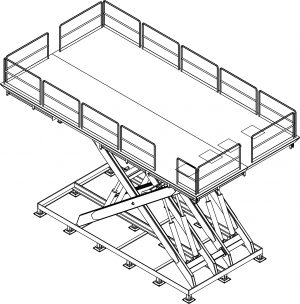
Lift Tables
Improve ergonomics during assembly, inspection, and maintenance activities.
Upender Inverters
Safely rotate aerospace components during production and assembly processes.
Custom Engineered Aerospace Cranes
Designed specifically for unique aerospace manufacturing, aircraft maintenance, and defense applications.
Custom Ground Support Equipment (GSE)
Custom made-to-order design and fabrication services are available for a variety of ground support equipment used in aviation and aerospace applications.
Request a Quote for Aerospace & Aviation Lifting Solutions
Whether you need a standard aerospace crane, aircraft engine crane, aviation maintenance crane, or a fully customized aerospace material handling solution, Air Technical Industries can help.
Our engineering team works closely with aerospace manufacturers, aircraft maintenance providers, MRO facilities, defense contractors, and aviation service organizations to develop equipment that improves safety, productivity, and operational efficiency.
Request a Quote today to discuss your aerospace and aviation material handling requirements and discover how ATI can help optimize your manufacturing, maintenance, and aircraft handling operations.
Frequently Asked Questions (FAQ’s)
1. What types of cranes are used in aircraft manufacturing?
Aircraft manufacturing facilities commonly use mobile floor cranes, gantry cranes, portable jib cranes, aerospace cranes, and custom-engineered lifting systems.
2. What equipment is used in aviation maintenance facilities?
Aviation maintenance facilities often use aircraft maintenance cranes, mobile floor cranes, lift tables, gantry cranes, and portable lifting systems.
3. Why are aerospace cranes important?
Aerospace cranes improve safety, precision, productivity, and ergonomic performance while reducing the risk of damage to high-value aircraft components.
4. Can aerospace lifting equipment be customized?
Yes. ATI designs custom aerospace lifting systems tailored to specific aircraft components, maintenance procedures, facility layouts, and operational requirements.
5. How do aviation cranes improve workplace safety?
Aviation cranes reduce manual handling, improve load control, minimize workplace injuries, and enhance operator visibility during lifting operations.