
A scissor lift table is a critical piece of material handling equipment in many industrial settings. Whether it’s a work positioning scissor lift table used for ergonomic improvements or a hydraulic scissor table that raises heavy loads with precision, consistent maintenance is essential to maximize lifespan and performance.
Let’s explore the most effective maintenance tips to extend the life of your scissor lift table. By following these best practices, you can ensure safe operations, minimize downtime, and protect your investment for years to come.
Understanding the Function of a Scissor Lift Table
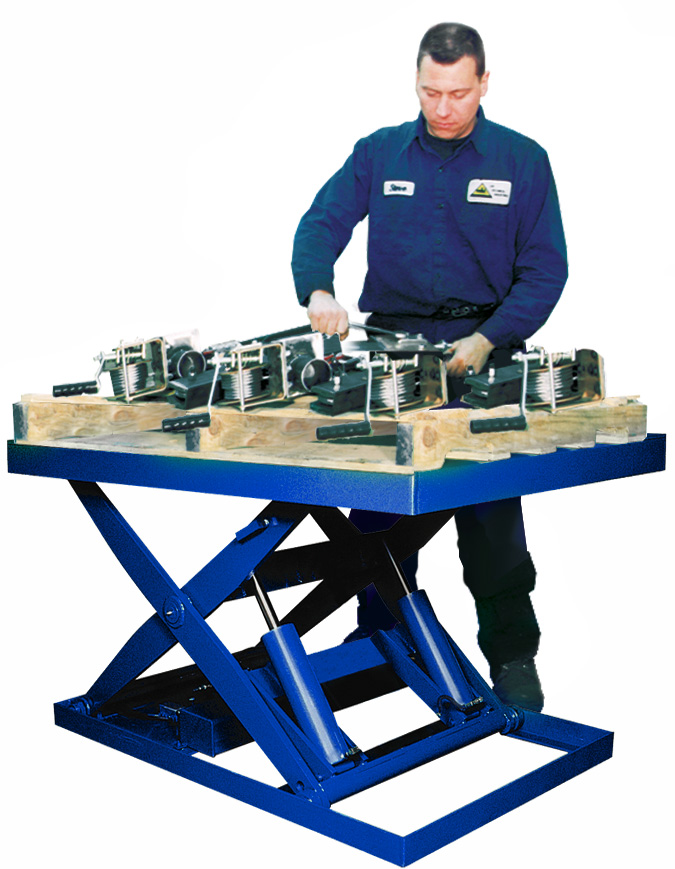
Before diving into maintenance, it’s essential to understand what a scissor lift table is and how it functions. A scissor lift table is a vertical lifting device used to raise, lower, or position loads at different heights. It’s commonly found in warehouses, assembly lines, packaging stations, and maintenance shops.
Types of Scissor Lift Tables
- Work Positioning Scissor Lift Table: Designed to improve operator comfort and efficiency by adjusting the height of a workpiece.
- Hydraulic Scissor Table: Uses a hydraulic system (manual or powered) to lift and lower loads smoothly and reliably.
Each type has unique maintenance needs, but many tips apply universally.
Why Maintenance Matters
Like any industrial equipment, a scissor lift table endures significant wear and tear. Regular maintenance offers long-term benefits:
- Prevents unexpected breakdowns
- Enhances operator safety
- Reduces costly repairs
- Extends equipment lifespan
- Improves day-to-day efficiency
Neglecting maintenance can lead to serious safety hazards and operational delays.
12 Proven Maintenance Tips for Scissor Lift Tables
1. Perform Daily Inspections
Routine inspections are your first defense against wear and failure.
What to Check:
- Look for oil leaks in the hydraulic system
- Inspect hoses, fittings, and cylinders
- Test safety locks and limit switches
- Examine platform and frame for rust or cracks
- Listen for odd sounds during operation
These daily checks take minutes but prevent major issues.
2. Lubricate Moving Parts Regularly
Lubrication ensures smooth, quiet operation and reduces friction-related wear.
Tips:
- Follow the manufacturer’s lubrication schedule
- Use only specified grease types
- Grease pins, rollers, and scissor joints
- Avoid over-greasing to prevent debris buildup
Adjust frequency based on how often the lift table is used.
3. Maintain the Hydraulic System
The hydraulic system is the core of your lift — keep it healthy.
Maintenance Tips:
- Check hydraulic fluid levels regularly
- Replace oil when contaminated
- Bleed trapped air if movement becomes jerky
- Inspect seals and fittings for leaks
Use only manufacturer-recommended hydraulic fluid.
4. Keep the Platform Clean
A clean lift is a safe and easy-to-inspect lift.
Cleaning Best Practices:
- Wipe down with a cloth to remove dust
- Avoid corrosive cleaning agents
- Clean underneath the platform and legs
- Remove grease/oil that could cause slips
Clean weekly in dirty or dusty environments.
5. Tighten Bolts and Fasteners
Vibration from daily use can loosen critical components.
Tip:
- Perform monthly torque checks
- Focus on mounting bolts and structure
- Use thread-locking compounds if recommended
This simple habit prevents misalignment and instability.
6. Calibrate the Controls
For tables with programmable controls or sensors, calibration is key.
What to Do:
- Test limit switches and control panels
- Ensure consistent height accuracy
- Recalibrate per manufacturer’s schedule
For automated systems, check for software/firmware updates too.
7. Train Operators Properly
Even top-tier equipment fails under improper use.
Training Essentials:
- Load and unload safely
- Follow operation guidelines
- Know load limits
- Report issues immediately
Schedule refreshers periodically to reinforce safety protocols.
8. Avoid Overloading
Overloading is one of the fastest ways to ruin a lift table.
How to Avoid It:
- Always know your table’s weight limit
- Spread loads evenly
- Use extra equipment for bulky items
Post visible load limit labels to remind operators.
9. Schedule Professional Inspections
Third-party inspections provide expert assurance.
Benefits:
- Comprehensive hydraulic system checks
- Compliance with OSHA and safety standards
- Early detection of hidden wear
Annual inspections are ideal for frequently used tables.
10. Replace Worn Parts Promptly
Don’t ignore worn-out parts — they can trigger a chain reaction of failures.
Parts to Watch:
- Hydraulic seals, hoses, fittings
- Platform bearings and rollers
- Safety pins, locks, control switches
Use OEM or trusted-brand parts for compatibility and safety.
11. Store Properly When Not in Use
If your scissor lift table isn’t in constant use, store it smartly.
Storage Tips:
- Lower to its lowest position
- Cover with a tarp to block dust
- Store in a dry, covered area
- Disconnect power and drain fluids for long-term storage
This prevents rust and system degradation.
12. Keep a Maintenance Log
A detailed log helps track inspections and repairs.
Include:
- Date and description of each task
- Parts replaced and issues noted
- Technician/operator name
Consider using maintenance software to keep records organized.
Final Thoughts: Maintenance Is an Investment
A scissor lift table is more than just a tool it’s a long-term investment in safety and productivity. Whether you use a hydraulic scissor table or a work positioning lift table, proactive maintenance ensures consistent performance and reduces downtime.
Start today by evaluating your current maintenance habits and integrating these tips into your routine. Your equipment and your team will thank you.
Looking for a Reliable Scissor Lift Table?
If you’re searching for a compact, durable, and easy-to-maintain lift solution, check out our Mini Scissors Lift Tables. Built for industrial reliability and ergonomic performance, they’re perfect for workstations, warehouses, and more.
Frequently Asked Questions (FAQ’s)
1. How often should a scissor lift table be inspected and maintained?
A scissor lift table should be visually inspected before use and maintained according to the manufacturer’s recommended schedule. Inspection frequency depends on usage, load conditions, and the operating environment. Regular checks help identify wear, hydraulic leaks, and potential safety issues before they lead to equipment failure.
2. How do you maintain the hydraulic system of a scissor lift table?
To maintain a hydraulic scissor lift table, check fluid levels, inspect hoses and fittings for leaks, and replace contaminated hydraulic fluid as recommended by the manufacturer. Use only the specified hydraulic fluid and have qualified technicians investigate pressure loss, unusual movement, or persistent leakage.
3. What are the common signs that a scissor lift table needs maintenance?
Common warning signs include jerky lifting, unusual noises, hydraulic fluid leaks, uneven platform movement, slow operation, damaged hoses, and malfunctioning safety controls. Stop using the equipment if a safety-related issue is suspected and arrange for a qualified inspection before resuming operation.
4. How can you extend the service life of an industrial scissor lift table?
You can extend the service life of an industrial scissor lift table through regular inspections, proper lubrication, hydraulic system maintenance, correct load distribution, operator training, and timely replacement of worn components. Following the manufacturer’s maintenance guidelines helps reduce downtime and maintain reliable performance.
5. What safety checks should be performed before operating a scissor lift table?
Before operating a scissor lift table, inspect the platform, frame, hoses, and visible hydraulic components for damage or leaks. Verify that the controls and safety devices function correctly, ensure the load is within the rated capacity, and keep personnel clear of moving parts and pinch points.

Vida Novak is the President of Air Technical Industries (ATI). With his over 25-year tenure at ATI Vida has earned progressive career advancements with increasing levels of responsibilities, including in engineering, technical sales, and operations management. Vida has gain keen insights into complex industrial material handling challenges. An endless number of manufacturers count on ATI’s ingenuity to solve complex and challenging material handling issues, whether for an international space station, a nuclear power plant, automotive plant, food factory, or a military base, among many others.